Prodotti
Leader in Italia nella distribuzione e prelavorazione di lamiere da treno quarto e coils in acciai di elevata qualità, destinati a molteplici settori industriali quali sollevamento, movimento terra, caldareria e carpenteria strutturale.
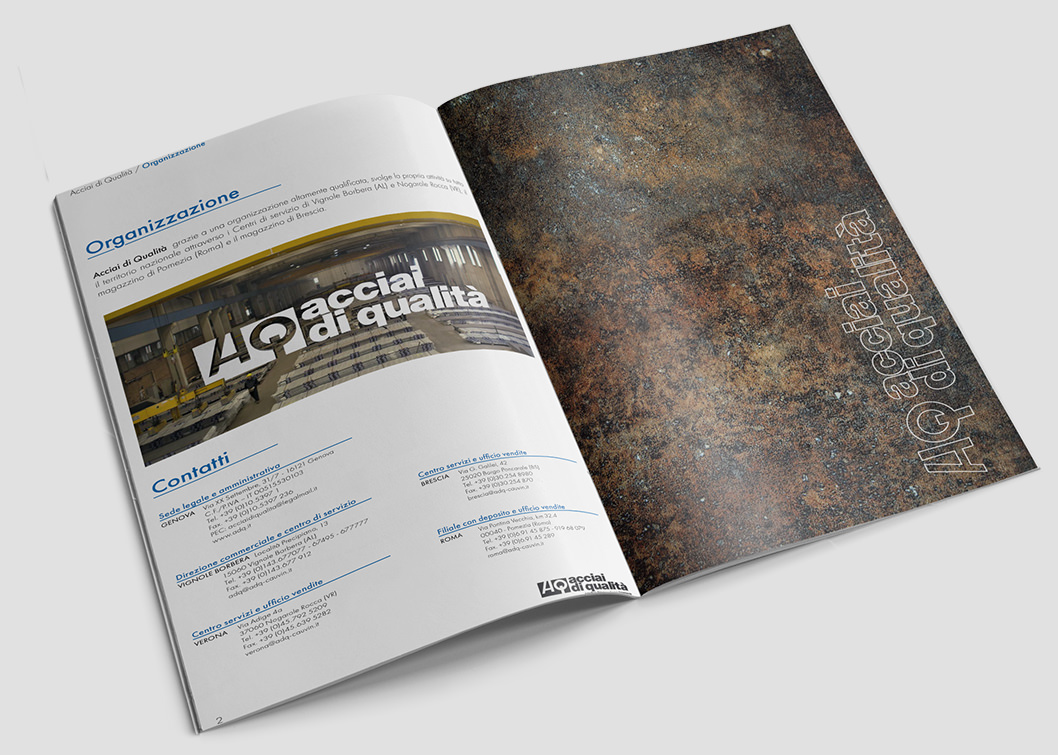
Acciai di Qualità grazie ad una organizzazione altamente qualificata svolge la propria attività su tutto il territorio nazionale attraverso i Centri di Servizio di Vignole Borbera (AL) e Nogarole Rocca (VR), il magazzino di Roma e gli uffici vendita di Vignole Borbera, Milano, Verona e Roma.
How Betzoid Analyzes France Ligue 1 Historical Betting Patterns and Trends
France’s top football division has long captivated betting enthusiasts with its unique characteristics, combining tactical sophistication with unpredictable outcomes that distinguish it from other European leagues. Understanding historical betting patterns in Ligue 1 requires a comprehensive analytical approach that accounts for the league’s distinctive features, including PSG’s financial dominance, the competitive nature of mid-table clubs, and the influence of youth development systems. Betzoid’s methodology for analyzing these patterns draws upon extensive historical data, statistical modeling, and contextual factors that have shaped betting trends over multiple seasons.
Data Collection and Historical Pattern Recognition
The foundation of Betzoid’s analytical framework rests on comprehensive data collection spanning over a decade of Ligue 1 competitions. This includes match results, goal distributions, home and away performance metrics, head-to-head records, and seasonal progression patterns. Historical analysis reveals several consistent trends that differentiate Ligue 1 from other major European leagues. The league consistently demonstrates lower average goal totals compared to the Bundesliga or Premier League, with matches averaging approximately 2.6 goals per game over the past five seasons. This statistical reality significantly impacts over/under betting markets and requires adjusted expectations from bettors accustomed to higher-scoring leagues.
Home advantage in Ligue 1 has shown interesting fluctuations throughout different periods. Between 2015 and 2019, home teams won approximately 46% of matches, which aligned closely with European averages. However, the post-pandemic period witnessed a notable shift, with home advantage diminishing temporarily before gradually recovering. Betzoid’s analysis tracks these temporal variations, recognizing that historical patterns must be weighted according to their relevance to current conditions. The platform examines how specific clubs perform against the spread in different scenarios, identifying teams that consistently outperform or underperform market expectations based on historical precedent.
Another critical aspect of pattern recognition involves seasonal timing. Ligue 1 exhibits distinct performance characteristics across different phases of the campaign. The opening weeks often feature tighter defensive displays as teams establish tactical cohesion, while the winter break creates a natural division that can reset form trajectories. Teams fighting relegation in the final ten matches historically demonstrate increased defensive solidity, affecting total goals markets. Betzoid incorporates these cyclical patterns into its analytical models, understanding that a betting opportunity in October may carry different implications than a superficially similar situation in March.
PSG Dominance and Market Efficiency Analysis
Paris Saint-Germain’s financial transformation since 2011 has fundamentally altered Ligue 1’s competitive landscape and created unique betting market dynamics. The club’s overwhelming dominance in domestic competition presents both challenges and opportunities for analytical platforms. Betzoid examines how markets have adapted to PSG’s supremacy, particularly in match winner markets where the Parisian club often faces prohibitively short odds against mid-table and lower-tier opposition. Historical data shows that betting PSG to win every match would yield negative returns despite their exceptional win rate, illustrating the importance of value assessment beyond simple outcome prediction.
The more nuanced analysis focuses on alternative markets where PSG’s matches offer value opportunities. Handicap betting, both teams to score markets, and half-time/full-time combinations have historically provided better value propositions. For detailed insights into current betting patterns and how they reflect these historical trends, https://betzoid.org/france-ligue-1/ offers comprehensive coverage of ongoing developments in French football betting markets. Betzoid’s historical analysis reveals that PSG has shown vulnerability in specific scenarios: away matches against top-six opponents, cup competitions where rotation affects team cohesion, and Champions League periods when squad management becomes complex. These contextual factors create market inefficiencies that informed bettors can exploit.
Beyond PSG, the battle for European qualification spots has generated compelling betting narratives. Clubs like Monaco, Lyon, Marseille, and Lille have alternated periods of competitiveness, creating volatility in markets involving these teams. Historical patterns show that traditional powerhouses often experience performance cycles, with investment phases followed by financial consolidation periods that affect on-field results. Betzoid tracks these institutional cycles, recognizing that a club’s historical reputation may not align with its current competitive reality, creating potential value in markets that overweight historical prestige.
Tactical Evolution and Its Impact on Betting Markets
Ligue 1’s tactical characteristics have evolved considerably over the past decade, directly influencing betting market outcomes. The league has historically emphasized defensive organization and tactical discipline, producing coaches who prioritize structural solidity. This philosophical approach manifests in betting markets through consistent trends in cards, corners, and goals markets. Betzoid’s analysis of yellow card distributions reveals that Ligue 1 referees maintain stricter disciplinary standards than their counterparts in Spain or Italy, with an average of 3.8 yellow cards per match over recent seasons. This consistency allows for more reliable projections in booking points markets.
The increasing influence of data analytics in French football has gradually shifted tactical approaches toward more possession-based systems, particularly among clubs with European ambitions. This evolution has created generational differences in how teams approach matches, with younger coaches implementing higher defensive lines and more aggressive pressing schemes. These tactical shifts affect first-half betting markets, as teams employing high-intensity pressing often create earlier goal-scoring opportunities but may also experience second-half fatigue. Betzoid incorporates tactical profiling into its historical analysis, recognizing that stylistic matchups between contrasting approaches often produce predictable patterns in tempo, goal timing, and total corners.
Set-piece efficiency represents another area where historical analysis yields valuable insights. Ligue 1 teams have consistently scored approximately 32-35% of their goals from set-piece situations, a higher percentage than most other major European leagues. This statistical reality affects both teams to score markets and correct score predictions, as teams with limited open-play creativity can remain competitive through set-piece prowess. Betzoid tracks individual team set-piece performance over multiple seasons, identifying clubs that consistently outperform or underperform expected goals from dead-ball situations.
Youth Development Impact and Market Volatility
France’s exceptional youth development infrastructure creates unique dynamics in Ligue 1 betting markets. The league serves as a proving ground for emerging talent, with clubs like Monaco, Lyon, Lille, and Rennes building competitive squads around young players destined for major European clubs. This developmental model introduces volatility that sophisticated analysis must account for. Mid-season transfers can dramatically alter team dynamics, as the departure of a key young talent may significantly impact a club’s competitive level. Betzoid’s historical analysis examines how teams have historically performed following major player sales, identifying patterns in post-transfer form that inform betting strategies.
The integration of young players into first-team squads also creates performance variability that differs from more established leagues. Historically, Ligue 1 teams fielding younger squads demonstrate greater inconsistency, with impressive victories against top opponents followed by unexpected defeats against relegation-threatened teams. This volatility affects handicap markets and creates opportunities in matches where market odds fail to adequately account for the unpredictability inherent in youth-oriented squads. Betzoid analyzes squad age profiles alongside performance data, recognizing that younger teams often perform better in high-intensity matches against quality opposition than in matches where they face defensive, low-block systems.
The seasonal rhythm of player development also influences betting patterns. Young players typically improve throughout a campaign as they accumulate experience, meaning that early-season performances may not accurately predict late-season form. Conversely, physical demands can affect inexperienced players during congested fixture periods. Betzoid’s historical analysis tracks these developmental trajectories, identifying which clubs have historically managed youth integration most effectively and which have struggled with consistency when relying on emerging talent.
Analyzing historical betting patterns in France’s premier football competition requires sophisticated understanding of the league’s distinctive characteristics. Betzoid’s approach combines quantitative data analysis with contextual awareness of institutional factors, tactical evolution, and developmental dynamics that shape outcomes. The platform’s methodology demonstrates that successful betting analysis extends beyond simple statistical aggregation, requiring nuanced interpretation of how historical patterns interact with current conditions. As Ligue 1 continues evolving, maintaining comprehensive historical databases while adapting analytical frameworks to emerging trends remains essential for identifying genuine value in increasingly efficient betting markets.